
Campaigns and events are how the Rainbow Pride Foundation turns its programme priorities into moments that a community can act on together. They range from small learning sessions to national campaigns, and each one is designed with a specific outcome in mind rather than for visibility alone.
What a campaign is for
A good campaign changes something concrete: a service becomes friendlier, an institution starts asking the right questions, or a community gains language for something it previously had no words for. Awareness matters, but awareness without a next step tends to fade. Every campaign run by the foundation is therefore paired with a practical ask — attend a session, share the material, contact a service, join a network.
Types of event
The foundation's events fall into a handful of recurring categories, each with a different rhythm and a different audience.
Awareness events
Public activities that introduce an issue to a wider audience and open conversations in families, workplaces and communities.
Learning sessions
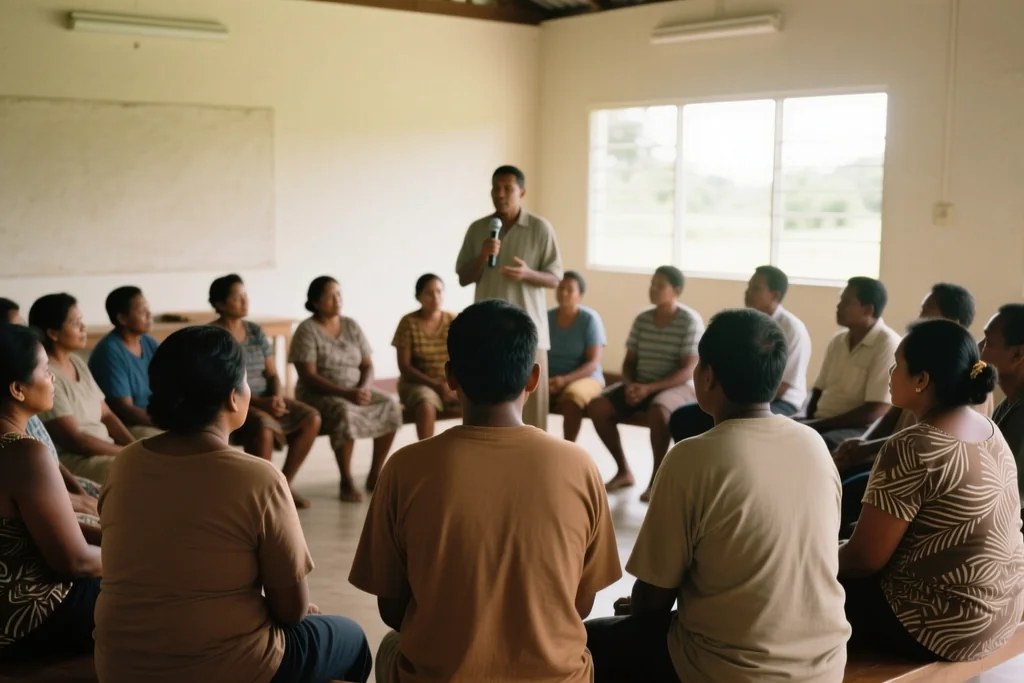
Workshops and learning events where participants build skills and share analysis on a specific topic.
Community gatherings
Social and network-building occasions that strengthen relationships across the community.
Advocacy milestones
Consultations, launches and engagements with institutions where programme work translates into policy conversations.
How events are planned
Planning starts with the community, not with the calendar. The team identifies a need, checks it with the people affected, decides what a realistic outcome looks like, and only then designs the activity. Accessibility, safety and confidentiality are considered from the outset, and any event involving young people or sensitive disclosures is planned with safeguarding built in.
Taking part
Participation is open to community members, allies, service providers and partner organisations, although some sessions are designed for specific groups and will say so. Where an event is restricted, the foundation explains why rather than leaving people to guess.
Event types at a glance
The table below summarises the purpose and typical audience for each kind of activity, along with what participants usually take away.
| Activity | Purpose | Typical audience | Take-away |
|---|---|---|---|
| Awareness event | Introduce an issue and prompt action | General public, community, allies | Language and a practical next step |
| Learning session | Build skills and shared analysis | Community members, volunteers, providers | Skills and resource material |
| Community gathering | Strengthen networks and belonging | Community members and allies | Connections and peer support |
| Consultation | Feed community experience into decisions | Community representatives, institutions | Documented input to policy processes |
| Campaign launch | Focus attention on a specific change | Media, partners, public | Shared message and call to action |
Finding out what is coming up
Dates, venues and registration details change from cycle to cycle, and some events are confirmed at short notice. For the current schedule, please check with the team through our contact page or follow the foundation's official social media accounts. We would rather tell you that nothing is scheduled than have you travel to an event that has moved.
Organisations that would like to co-host an event, host a session at their premises, or invite the foundation to speak are welcome to get in touch. Partnerships are usually strongest when both sides bring something specific to the table.