
The Rainbow Pride Foundation is carried by a relatively small team of staff, board members, peer educators and volunteers, supported by a much wider network of community members and partner organisations. This page explains how that team is organised, what each part of it does, and how the foundation keeps its work accountable to the community it serves.
How the foundation is organised
Three layers shape how RPF functions. A governance board holds the organisation to its mission and mandate. A secretariat manages programmes, partnerships, finances and reporting day to day. A national network of volunteers, peer educators and community representatives delivers activities where people actually live. That structure keeps decision-making close to the community while giving funders and partners a clear point of accountability.
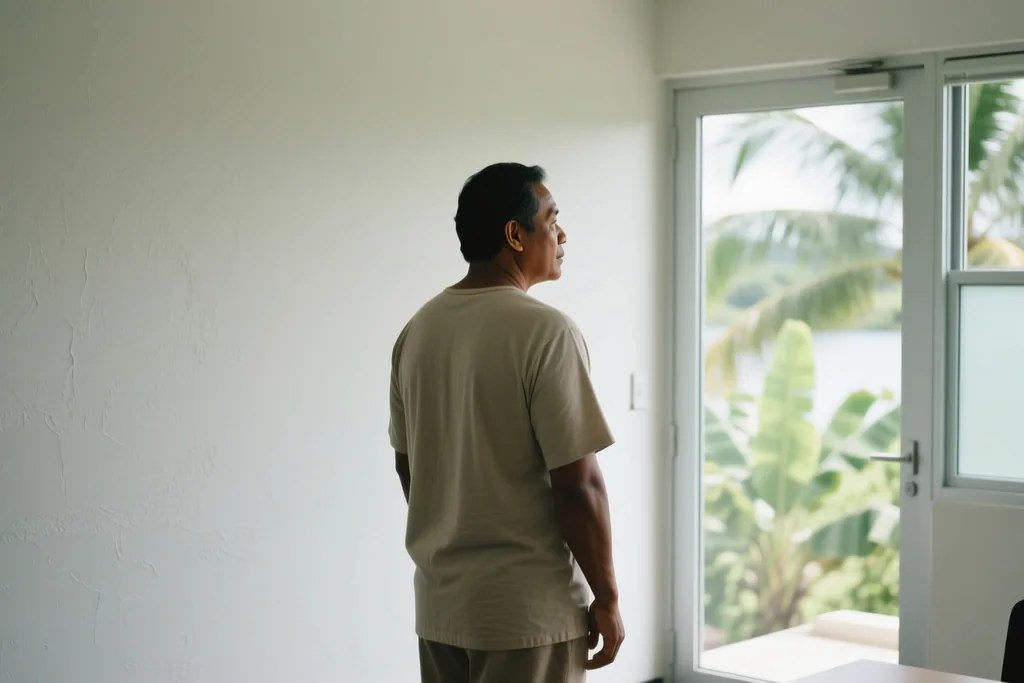
Team members bring experience from community organising, public health, human rights advocacy, education, monitoring and evaluation, and climate and disaster resilience. Because the foundation works across several sectors, we deliberately avoid treating any one discipline as dominant: the practical judgement of a peer educator often matters as much as a technical report.
Governance and leadership
The board meets regularly to review strategy, approve programmes, oversee financial management and ensure that safeguarding and ethical standards are respected. Board members are drawn from the community and from professional backgrounds relevant to the foundation's mandate. Decisions are minuted, and the board is responsible for ensuring that the organisation remains true to the principles of equality and non-discrimination on which it was founded.
Leadership is exercised in a way that is deliberately shared. Programme leads carry responsibility for design and delivery, while the secretariat coordinates reporting, partnerships and compliance. Where a decision affects a specific community, that community is consulted before, not after, the decision is taken.
Programme and secretariat roles
The secretariat handles the practical machinery of the organisation: planning, budget management, partner liaison, monitoring and reporting. Programme roles span rights and advocacy, health and wellbeing, climate and disaster resilience, and economic empowerment. Support roles cover communications, community liaison, administration and safeguarding. Together they allow a small organisation to run multiple work streams without losing coherence.
Volunteers and peer educators
Volunteers and peer educators are the backbone of RPF's outreach. They are usually members of the communities the foundation works with, which means information travels through relationships of trust rather than through formal channels alone. Peer educators are trained in the topics they carry — health, rights, stigma, safety — and they are supported with supervision, materials and regular refresher sessions.
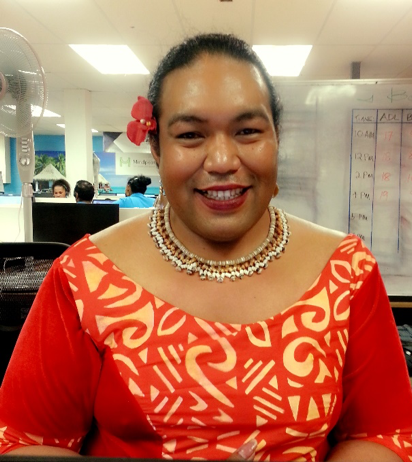
Volunteering with RPF is a commitment to learning as much as to service. People who join the network gain practical skills in facilitation, community engagement, monitoring and public communication, and many go on to lead initiatives of their own. The foundation treats that leadership development as an outcome in its own right.
Skills the team relies on
The table below lists the main skill areas the organisation depends on and what each contributes to the mission. It is also a fair description of where volunteers with relevant experience can be most useful.
| Skill area | Contribution |
|---|---|
| Community facilitation | Running consultations, workshops and reflection sessions |
| Peer education | Sharing accurate information through trusted relationships |
| Advocacy and policy | Engaging institutions, consultations and decision-makers |
| Monitoring and evaluation | Learning what works and reporting it honestly |
| Communications | Documenting activities and reaching wider audiences |
| Safeguarding and welfare | Protecting participants and responding to concerns |
Working with the team
If you would like to volunteer, propose a partnership, invite the team to a community event, or discuss a safeguarding concern, the fastest route is to get in touch through our contact page. Because roles and focal points change with programme cycles, we ask partners to confirm current responsibilities and processes directly with us rather than relying on older documents.
We are also glad to hear from people who simply want to know more about what the foundation does. Being visible in the community is part of the work; you do not need a formal reason to say hello.